Why everybody should STILL learn how to code


In an era where technology increasingly shapes our daily lives, the role of computer programming in education has become a topic of significant importance. Coding is no longer a skill reserved for enthusiasts or software engineers—it's a core literacy of the 21st century. With the digital revolution transforming every aspect of our society, from how we work. to how we communicate, understanding the language of computers is becoming as crucial as reading and writing. This shift is not just about preparing the next generation for their future professional life, it's also about equipping them with the tools to navigate, innovate, and thrive in a rapidly changing digital world. Recognizing this, several countries around the globe have taken proactive steps to embed computer programming into their primary and secondary school curricula, signaling a major shift in our educational paradigms. Some notable examples include:
Singapore: Singapore introduced computer science education in 2014 and made it compulsory by 2020. The government launched the "Coding for Fun" program as an optional enrichment class for primary and secondary students, which later became a part of the regular curriculum.
South Africa: Began teaching coding in schools in 2020, focusing on training teachers to pass on these skills to students.
United Arab Emirates: As of 2020, about 35% of schools in the UAE had started implementing coding classes for their students.
Some other countries that have implemented Coding as a subject in Primary and Secondary education curricula include Australia, Philippines, Qatar, United Arab Emirates, Kenya.
Here are some reasons why I think everyone should learn to code:
Coding Enhances Problem-Solving Abilities.
In today's rapidly evolving digital landscape, the argument for universal programming literacy is becoming increasingly compelling. It's not just about writing code; learning to program fosters critical thinking and problem-solving skills. As Steve Jobs eloquently put it, programming is a skill that teaches you how to think. He went so far as to advocate for programming as a fundamental part of education, akin to a liberal art, suggesting that everyone should dedicate at least a year to learn it at some point in their lives. This perspective underscores the transformative power of programming - it's not just a tool for building software, but a discipline that shapes the way we approach and solve complex problems in various aspects of life.
Embarking on a programming project, even a small one, is akin to navigating a puzzle with a set of tools at your disposal. Take, for instance, the task of adding a feature like social network sharing or designing an element like a share button on your interface. In these scenarios, the programming language you employ offers a toolbox of possibilities, each designed to help you achieve a specific functionality. The journey to the final product involves deconstructing the problem into manageable steps(lines of code or blocks of code). Each step presents a range of choices, demanding critical thinking and decision-making to progress towards the solution. This process of breaking down problems, considering multiple solutions, and methodically building towards a goal is a powerful exercise in problem-solving. It’s a skill that, in my view, is invaluable and should be introduced to people as early as possible in life. Through programming, we not only learn to create and innovate but also to think systematically and solve problems efficiently.
Integrating programming courses into early education should be a priority, much like the established subjects of mathematics or science. The idea is to familiarize children with the digital realm from a young age, making coding as fundamental and as commonplace as mathematics in their educational journey. While some may question the real-world applicability of certain academic subjects, as humorously noted by French comedian and actor Gad Elmaleh, who once asked,"has knowing the square root of 25 ever gotten you out of a jam?". This remark playfully challenges the practicality of some aspects of traditional education, prompting reflection on how we value different forms of knowledge. In my view, the skills developed through programming, similar to those acquired through studying mathematics, are invaluable in everyday life, regardless of one's profession. These skills subtly but significantly enhance our problem-solving capabilities, critical thinking, and adaptability in various situations. By normalizing programming in early education, we equip the next generation not only with a valuable technical skillset in an increasingly digital world, but also with a robust framework for thinking and approaching challenges in life.
Coding Offers a Multitude of Opportunities.
In the landscape of 2023 and beyond, one undeniable advantage of learning to code is the multitude of opportunities it opens up. For anyone with the drive and ambition to explore and master a programming language like Python, the rewards are significant, regardless of your profession or background. With demand for skilled programmers far exceeding supply, mastering a language like Python opens up a wealth of job opportunities.This skill set often leads not only to employment but also to the potential for negotiating a significant salary. While Python stands out as an example, the reality extends across the board: individuals skilled in any programming language rarely face the constraints of minimum wage opportunities. The scarcity of programming expertise in the job market ensures its value remains high."
Moreover, the benefits of learning to code extend beyond aspiring to roles like a developer or other positions where coding is a primary responsibility. Learning computer programming equips you not only with technical expertise but also with a range of valuable 'derived skills'. These include a unique mindset, enhanced creativity, and a specialized vocabulary, among others. These skills are highly valued in the technology sector, enabling smoother integration and collaboration with computer engineers and other IT professionals. Even for roles that don't directly involve coding, possessing a foundational knowledge of programming can be a significant advantage. It's a skill set that, while not always mandatory, increasingly sets candidates apart in tech-related fields and can be essential in securing positions where understanding the language of technology provides a distinct edge.
Finally, for those who are lucky enough to naturally have an entrepreneurial mind-set or those who have taken the time to develop it, programming is an unbeatable tool. If you have the ability to identify needs and then imagine solutions, and if you also know how to program: the world is yours. The great advantage of programming is its affordability, making it accessible for anyone to start a project. Unlike many other ventures, starting a project in the realm of programming doesn’t always require substantial capital. which often means you can start without having to convince investors or requesting a bank loan at the very beginning. Consider Elon Musk as an example: He began by co-founding Zip2 with his brother Kimbal using $28,000 borrowed from their father, then founded X.com which later evolved into PayPal. Yet, his greater ambition extends beyond such ventures, with his ultimate goal being "to bring humanity to Mars before dying".That goal seems more achievable today given the fact that he owns SpaceX, and it's worth noting that very few skills could have propelled him towards this achievement with such limited starting capital. Among these skills, the ability to program a computer is certainly a critical one."
Coding: A Key to Better Understanding Your Computer and the Digital World.
 Learning to program a computer offers one more significant benefit: it deepens your understanding of computers and some of the most common aspects of the digital world that we come across on a daily basis. For instance, in web development, mastering basic programming languages like HTML, CSS, and JavaScript helps you comprehend the functions of browsers, servers, and data distribution systems, among others. This knowledge enriches your understanding of the digital environment you navigate daily, even for those not in IT-related professions. This profound understanding gains even greater significance considering the ubiquitous use of computers and electronic devices into every facet of our daily lives. In today's digital era, where virtually every aspect of our personal and professional activities is conducted through digital means, possessing a deep comprehension of these technologies is not just beneficial but essential.
There are some who might question the necessity of understanding the inner workings of a computer, arguing, 'I know how to use it for what I need, and that should be enough.' While this viewpoint is certainly valid, it can be compared to the mindset of car enthusiasts who choose to learn about their vehicle's mechanics. In a similar vein, those who delve into the intricacies of computers, electronic devices, and other facets of the digital world stand to gain numerous benefits. This deeper knowledge not only enhances their user experience but also broadens their understanding and capabilities in an increasingly digitalized world. Some of the most notable benefits includes:
- Safety : Just as understanding basic car maintenance—like checking oil levels and tire conditions—enhances road safety, knowing how computers and electronic devices work can provide similar benefits. Being knowledgeable about cybersecurity for instance can protect you from online threats. This includes understanding the importance of regular software updates (just like for car servicing), recognizing phishing attempts (like knowing how to spot hazardous driving conditions), and practicing good password hygiene (similar to locking your car doors). Being aware of these aspects helps in safeguarding your personal information and preventing unauthorized access to your computer, much like how car knowledge helps in ensuring physical safety on the road..
- Save money: Just as routinely checking your vehicle—like monitoring its condition—helps prevent neglect that leads to expensive repairs, taking a proactive approach to computer maintenance can yield significant savings. This includes regularly updating software to prevent security breaches, cleaning and checking hardware components to avoid overheating or physical damage, and managing your system's resources to ensure efficient performance. By addressing small issues early, you can avoid major malfunctions that could require expensive professional repairs or even complete replacement of your device.
Learning to code most certainly develops these abilities, making navigating in a world filled with computers and electronic devices much easier.This knowledge is increasingly valuable as technology becomes more integrated into everyday life.
will AI take over programming jobs?
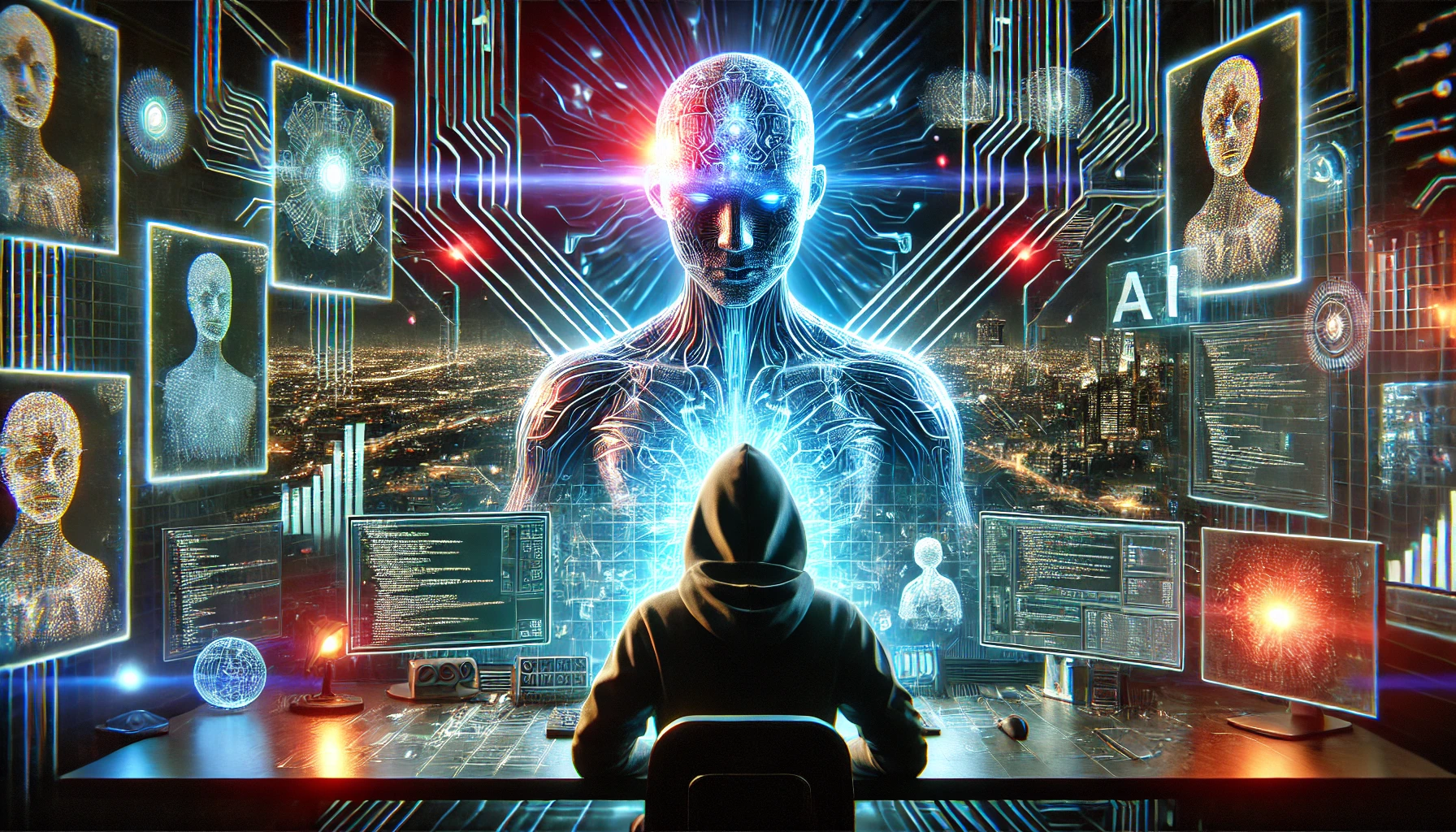 That question isn’t originally mine; it’s from someone on a Reddit forum. But it's so common in the tech industry now that, in a way, it feels like public property, doesn’t it?
I first wrote this article in 2023 when I created this blog, but I never published it. Almost two years later, when I finally found time to revisit it, I realized— a lot has changed. Today, more than ever, AI is deeply immersed in programming and software engineering as a whole.As a self-taught JavaScript developer (still improving), I frequently use ChatGPT for small projects like this one. Alongside ChatGPT, I've also explored Bolt, and more recently, GitHub Copilot in Visual Studio Code.
As I said, I’m only a beginner in this world, but what I’ve noticed about AI (at least for now) is this: AI does help me move faster, and in some cases, I honestly don’t know how I’d find certain information to progress without outside help. For instance, I built an e-commerce website using Firebase, and ChatGPT was invaluable for tasks like designing the overall architecture—especially linking the front-end with the back-end (which is a BaaS solution), structuring the database, and so on.
On the other hand, having the right skill set is still crucial. I’ve found myself stuck at times simply because I trusted AI without verifying its code—only to realize later it made some pretty silly mistakes. I’ve also noticed that AI isn't great at debugging; even when I provide the full error message, the best it can do is give me hints, leaving me to figure things out on my own. Sometimes, the suggestions provided by AI are completely off track from the actual solution.
This leads me to conclude that AI is just a tool, created by humans and still requiring human oversight from time to time. It undoubtedly makes life easier for programmers and will likely reduce the number of humans required for certain tasks, but it won’t replace us entirely.So keep coding baby, you're still relevant! 😊
Conclusion
In the end, learning to code is more than just picking up a technical skill. It’s about gaining a new way of thinking and problem-solving that applies to so many areas of life. Whether you're looking to build a career, start your own projects, or simply understand the digital world around you, coding equips you with the tools to do so. Sure, AI is evolving rapidly and reshaping how we approach programming, but at its core, coding remains a human-driven craft. AI can assist, automate, and even amaze, but it still needs us to guide, verify, and innovate. So, no matter how advanced technology gets, understanding how it works, and being able to shape it with code, will always be relevant. If there’s one thing to take away from all of this, it’s that learning to code is not just for developers; it's for anyone who wants to stay ahead, stay creative, and stay in control in an increasingly digital world. So go ahead, code, explore, and make things happen. You're still very much in the game. Or at least I think so….